Expertise brought together to improve access to care
Métropoles Sans Hep C brings together the expertise needed to bring prevention, testing and treatment for sexually transmitted and blood-borne infections (STBBIs) closer to people who face barriers to accessing care. The coalition builds on its experience in hepatitis C, its community collaborations and its expertise in infectious diseases, addiction and the implementation of services.
Co-directors
A co-directorate that combines clinical expertise, research and community leadership.
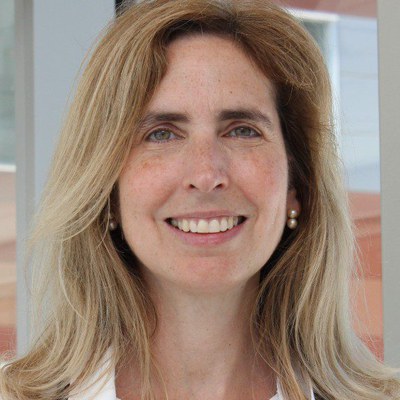
Dr. Marina B. Klein
Co-director
Infectious diseases physician, McGill University Health Centre · McGill University
Canada Research Chair in Viral Infections in Vulnerable Populations
Her expertise in viral infections among the most exposed populations guides the coalition on access to diagnosis, treatment and follow-up for hepatitis C and HIV.
Dr. Julie Bruneau
Co-director
Physician, Addiction Medicine Service, CHUM · Université de Montréal
Canada Research Chair in Addiction Medicine
She brings addiction medicine expertise to the heart of the integrated pathway. She leads the HEPCO cohort, which follows hepatitis C and HIV among people who inject drugs in Montréal.
Dr. Christina Greenaway
Co-director
Infectious diseases physician, Jewish General Hospital · McGill University
Her expertise in migrant health informs access to services and their adaptation for people born abroad, one of the coalition's priority populations.
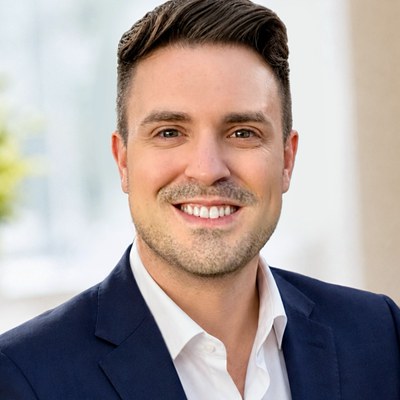
Dr. Guillaume Fontaine
Co-director
Nurse scientist, Ingram School of Nursing, McGill University · RISE³ Lab
Canada Research Chair in Implementation Science for Health Systems Transformation
Leads the evaluation of implementation and outcomes to guide the improvement of services and their adaptation to other settings.
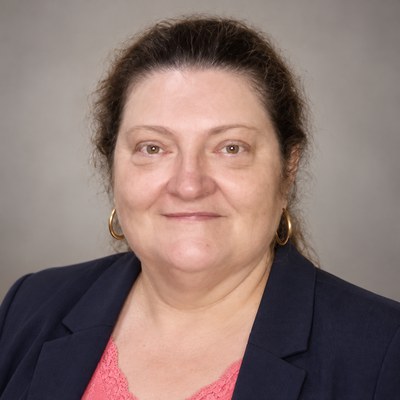
Laurence Mersilian
Co-director
Executive Director, CAPAHC
She brings to the coalition her expertise in developing community services, supporting people living with hepatitis C and mobilizing partners.
How the coalition works
Community, clinical, public health and research partners jointly define the priorities and the way projects are carried out. Consultations and work with people with lived experience guide the adaptation of services to the realities of each setting.
Team members and partner organizations at the coalition meeting at the CHUM, February 2026.
Affiliated team members
People who contribute to the coalition's work in an individual capacity, alongside the co-directors and the institutional teams.
Dr. Joseph Cox
Affiliated member
McGill University · Research Institute of the MUHC
Contributes to the coalition's work as an independent investigator.
Dr. Valérie Martel-Laferrière (she)
Affiliated member
Université de Montréal · CRCHUM
Medical microbiologist and infectious diseases physician; contributes to the coalition's work as an independent co-investigator.
Dimitra Panagiotoglou
Affiliated member
McGill University
Carrie Martin
Affiliated member
Indigenous Health Centre of Tiohtià:ke
Nancy Sheehan
Affiliated member
Pharmacist, MUHC · Université de Montréal
Team
The people who move the projects forward, by institution.
McGill University Health Centre
Co-director: Dr. Marina B. Klein
Isabelle Robichaud (she)
Project Manager
MUHC
JO
James O'Grady (he)
Research Coordinator
MUHC
MK
Matthew Knight (he)
Data Manager
MUHC
PA
Pamela Aldebes (she)
Data Coordinator
MUHC
MS
Mariam El Sheikh (she)
Research Associate
MUHC
EF
Eric Fortin (he)
Community Peer Navigator and Research Assistant
MUHC
Detailed roles
Isabelle Robichaud
Coordinates the coalition's projects, partners, budgets and timelines.
James O'Grady
Oversees the day-to-day operations of the MSHC projects at the MUHC and leads community outreach to promote the program and develop collaborations.
Matthew Knight
Responsible for the quality, security and accessibility of data; builds and maintains the MSHC live dashboard and prepares datasets for analysis.
Pamela Aldebes
Manages the project databases, ensures the quality of the data collected and collaborates with the various teams.
Mariam El Sheikh
Works on the MSHC dashboard and will lead data linkage once data from the Institut de la statistique du Québec (ISQ) are available.
Eric Fortin
Conducts research activities and participant recruitment; leads community outreach to promote the program and reach eligible people.
CAPAHC
Co-director: Laurence Mersilian
JC
Jacques Casimir (he)
Head of Education
CAPAHC
CC
Charly Cartier (they)
Project Coordinator and Consulting
CAPAHC
Centre hospitalier de l'Université de Montréal · CRCHUM · CURMA
Co-director: Dr. Julie Bruneau
Aïssata Sako (she)
Director, Research Programs and Funding
CHUM
Sira Diarra (she)
HEPCO Cohort Coordinator
CRCHUM
Detailed roles
Aïssata Sako
Optimizes the operational management of research programs and funding across the project portfolio.
Sira Diarra
Coordinates HEPCO cohort activities, supervises field teams, ensures the quality of data collection and participant follow-up, and supports the data architecture team.
Jewish General Hospital · Lady Davis Institute
Co-director: Dr. Christina Greenaway
TE
Teyl Engstrom
Epidemiology of care cascades
Postdoctoral Fellow, Lady Davis Institute
AT
Andrea Trevisan
Epidemiology of burden and health outcomes
Postdoctoral Fellow, Lady Davis Institute
HG
Hamed Ghanati
Data analysis and database management
Jewish General Hospital
Detailed roles
Teyl Engstrom
Leads epidemiologic analyses of viral hepatitis care cascades and intervention implementation.
Andrea Trevisan
Leads epidemiologic analyses of viral hepatitis burden and health outcomes.
McGill University, RISE³ Lab
Co-director: Dr. Guillaume Fontaine
Mégane Bouchard (she)
Research coordination and evaluation
RISE³ Lab, McGill University
Marc Parsons (he)
Biostatistics and quantitative methods
CTN+ Postdoctoral Fellow, McGill University
Omolara Akingba (she)
Epidemiology
Postdoctoral Fellow, RISE³ Lab, McGill University
Detailed roles
Mégane Bouchard
Coordinates data collection and the evaluation of the coalition's projects.
Marc Parsons
Supports the coalition's quantitative analyses and evaluation designs.
Omolara Akingba
Supports the coalition's epidemiologic analyses and implementation trials.
Partners
The organizations that host, deliver, integrate or evaluate the coalition's interventions, and what they contribute.
Beyond the organizations presented here, the coalition collaborates with other community and clinical settings in Montréal to reach people, adapt services and facilitate access to care.
The co-directors' home institutions are not automatically committed to the future deployment; partners in the integrated model will be presented with their contribution as agreements are reached.
Expanding collaborations
We are looking for community organizations, STBBI care teams, pharmacies and addiction services to deploy the integrated pathway. Shelters and other community-based services may contribute, depending on people's needs and local collaborations.